Roadmap
An integrated vision and roadmap provide decision makers with the knowledge and confidence to make smart, future-proof choices —unlocking the North Sea's climate-neutral energy potential while creating lasting value for society, the economy, and nature.
Towards an Integrated North Sea Energy System
Understanding the current and future role of the North Sea and its potential of supply, transport, demand, conversion, and storage of energy is essential to unlocking its full value.
Our roadmap provides insights as a foundation for informed decisions. It helps to identify the short-term actions needed today to realise an integrated, resilient, and climate-neutral offshore energy system tomorrow.
North Sea Energy Roadmap
In 2023, we formulated the North Sea Energy Roadmap, consisting of an integrated Vision of the North Sea energy system, Pathways leading there, and an Action Agenda for all North Sea stakeholders. The roadmap gives direction to policymakers, project developers, and society at large while the actions point out the short term decisions needed towards the integrated energy system on the long term.
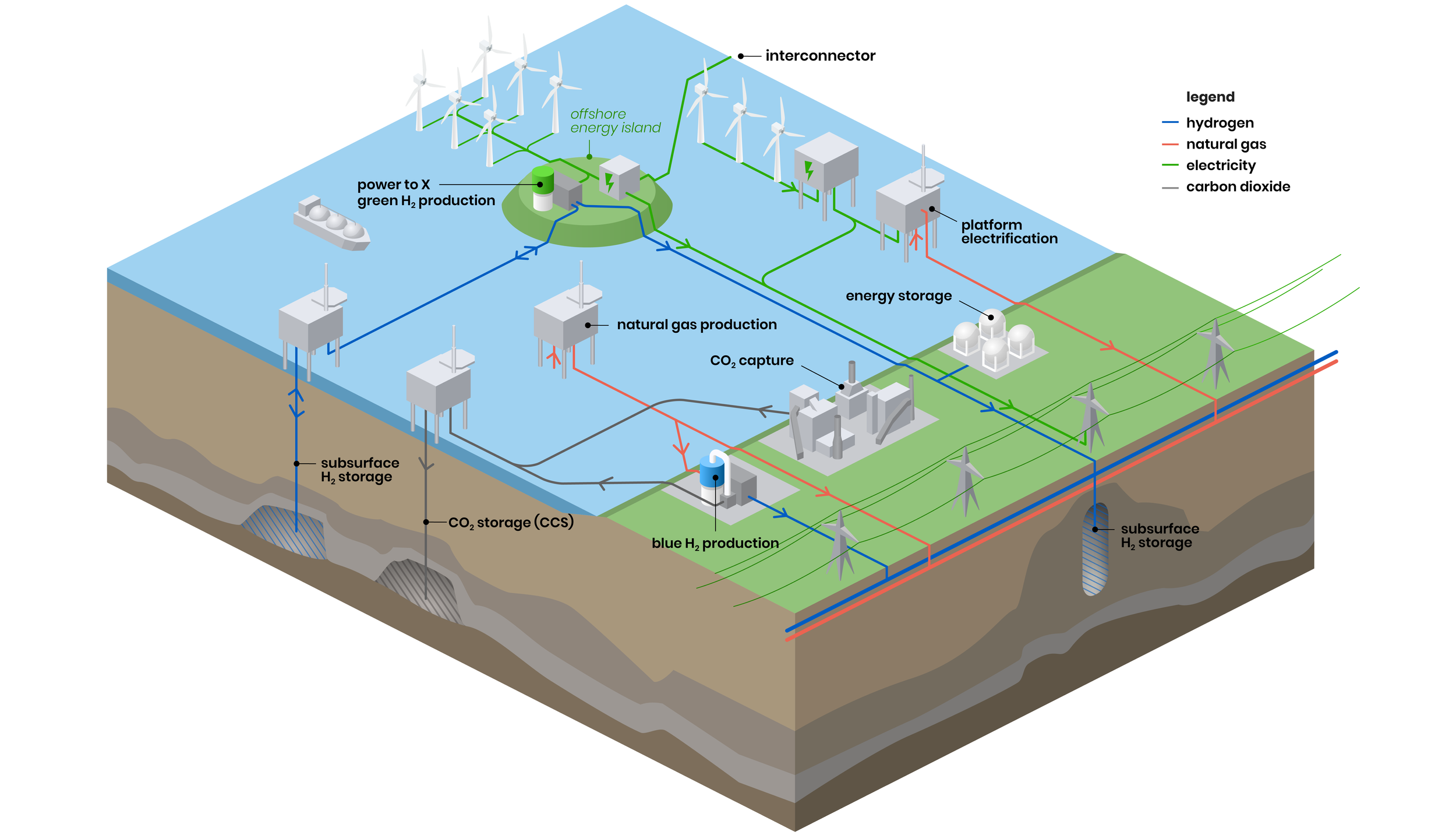
Emphasis is placed on developing energy infrastructure visions towards 2050 for the four key energy commodities in the research program: (1) electricity, (2) hydrogen, (3) CO2, (4) natural gas.
Together with our partners, we identified possible strategies to deal with the challenges for system integration.
Additionally, we formulated sets of key actions for six offshore energy technologies and commodities relevant to all North Sea stakeholders: (1) offshore wind, (2) marine energy, (3) offshore green hydrogen, (4) blue hydrogen, (5) offshore CO2 transport and storage, (6) natural gas.
By implementing the suggested actions, national and international stakeholders can take significant steps towards harnessing the energy potential of the North Sea while respecting the carrying capacity of our economy, society and nature.

The North Sea region has a significant low-carbon energy potential and is poised to become ‘Europe’s green power plant’. Europe has committed to reduce its emissions by 55% by 2030 and achieve climate neutrality by 2050. This requires a substantial expansion of offshore wind capacity, alongside emerging technologies like floating solar, offshore hydrogen production, energy transport & storage and carbon capture & storage (CCS), as well as the systematic phase-out of gas exploration and production.
Key challenges of the North Sea energy transition
The North Sea is one of the busiest seas in the world. It is used for energy, shipping, fishing, military activities, and nature protection. Because so many activities take place in the same area, smart coordination is essential.
At the same time, nine different countries around the North Sea are working on their own energy goals and infrastructure plans. Better cooperation between countries can make energy systems more efficient, reduce costs, and improve energy security.
Energy systems are also closely connected. Offshore wind, hydrogen, CO₂ storage, and existing oil and gas infrastructure all influence each other. Looking at them separately can lead to missed opportunities.
System integration offers a solution. By connecting energy infrastructure, services, and space use in a smart and coordinated way, the North Sea can function as one integrated energy system. This helps lower the costs of the energy transition, improves cooperation, reduces pressure on space and nature, and speeds up development.
Starting points for International and Integral perspectives
NSE envisions the North Sea as a thriving energy region that has achieved carbon neutrality in 2050, perhaps even becoming a net negative carbon sink for Europe.
The starting points for our research on the benefits of an integrated approach of the North Sea energy transition include:
• Offshore energy system integration is seen as an enabler to accelerate low carbon and renewable energy options that provide reliable, low-cost energy sources for industry and other end-users on its coastline and in the hinterland.
• Strategic sector coupling allows deeper and faster reduction of CO2 emissions, more efficient use of marine space and effective use of energy infrastructure for conversion, transport and storage of energy commodities.
• A well-integrated offshore energy system enhances energy security and resilience, reducing dependence on external energy sources and strengthening Europe’s strategic autonomy. This secures livelihoods to millions of people and creates new sustainable jobs for the future.
• Offshore system integration can provide synergies with non-energy stakeholders to develop solutions that have positive impacts on nature and safety as well as contribute to sustainable food production and to the circular economy.
The added value of system integration
Taking a system perspective enables better decisions today and creates a more efficient, resilient, and sustainable North Sea energy system for the future.
We explored this in four areas:
Managing multi-use spatial challenges in the North Sea
Since the North Sea is one of the busiest seas in the world, it faces significant spatial challenges due to the multi-use of the area. Although this whitepaper focuses mainly on the ‘energy system’ of the North Sea, the ‘total system’ also includes, amongst others, fisheries, shipping routes, military activities and protected marine areas. The North Sea fulfills various functions and the ecological, societal and economic values of this area can result in conflicts among various stakeholders. Looking for synergies between the functions and adequately managing these interests, possibly prioritizing them and reaching consensus on the various functions, are crucial for smooth collaboration and alignment but can be highly complex.
Enhancing cross-border energy cooperation in the North Sea region
The North Sea is surrounded by nine countries, each with their own targets, legislation and infrastructure plans. When looking at the energy system from a cross-border perspective, various sources and demand clusters could be coupled, thereby increasing the efficiency of energy infrastructure and driving down costs. This not only applies to the infrastructure and asset deployment, but also international agreements, legislation and standardization.
The interaction between the four energy commodities
The further development of the energy commodities is largely dependent on the others. For example, in order to re-use existing oil and gas infrastructure (such as wells, pipelines, platforms or subsea structures for instalment) for transport and storage of CO2 or hydrogen, it should be clear where this is technically possible and when decommissioning is planned. Next to this, due to its intermittent behaviour the value of offshore wind will rely on energy flexibility in the system such as (offshore) hydrogen conversion and or storage solutions. This suggests that a cross-commodity view is beneficial for further development plans.
System integration as a solution
Many of the above-mentioned challenges can be tackled by taking a system perspective on the North Sea energy system. We involve the strategic coupling of all dominant low-carbon energy developments in the North Sea, including offshore wind deployment, CCS, energy hubs & islands and energy interconnections, hydrogen infrastructure, energy storage, and more. This system integration concept couples sectors by integrating infrastructure, services and logistics, and making multifunctional use of space. From the energy perspective, this suggests to not individually consider the energy carriers, commodities and infrastructure assets, but regard them as part of one holistic and integrated energy system. By approaching the North Sea as an integrated system, the costs of the energy transition can be reduced, security of supply can be enhanced, the spatial claim and impact on nature can be mitigated, and energy system development times can be decreased
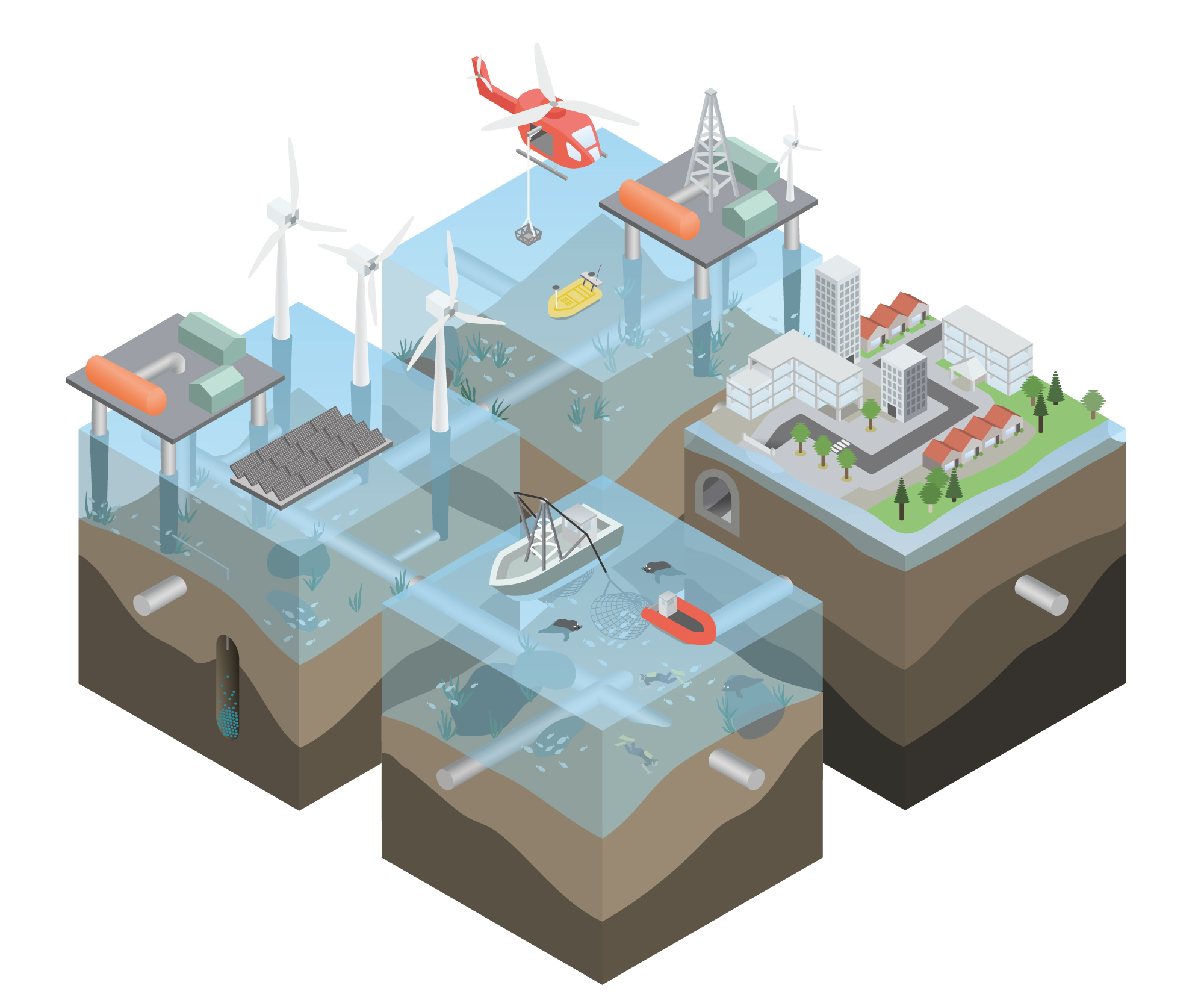
In 2022-2023, important future developments for electricity, hydrogen, CO₂, and natural gas in the North Sea region for the coming decades were explored. Our study is based on European future scenarios from ENTSO-E and ENTSOG, combined with the Dutch II3050 National scenario and additional regional studies, such as offshore hydrogen production and CO₂ storage. The final report of our research focuses on one ambitious future scenario for the North Sea region. This helps identify what infrastructure will be needed, where challenges may arise, and which actions are required to make this future possible.
The main trends are described for each of the four energy functions separately.
Electricity
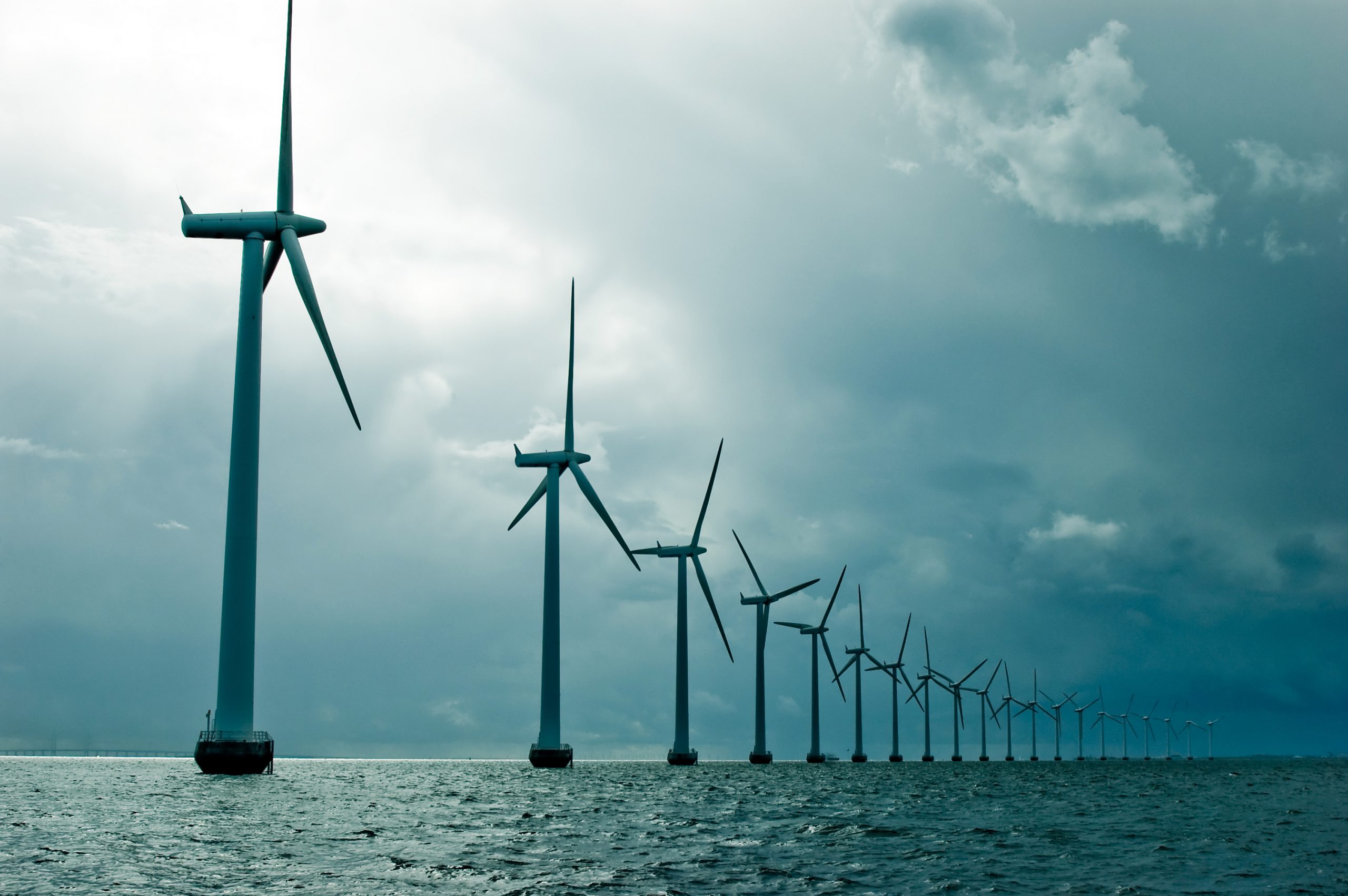
The countries around the North Sea have set ambitious goals for offshore wind energy: 120 GW by 2030 and at least 300 GW by 2050.
To reach these goals, offshore wind capacity will need to grow very quickly, especially between 2030 and 2040. By 2050, electricity production from offshore wind in the North Sea could be almost ten times higher than today, reaching around 1500 TWh per year.
Other offshore renewable energy sources, such as floating solar, wave energy, and tidal energy, are also expected to become more important over time. The European Union aims to develop around 40 GW of these ocean energy technologies by 2050.
These technologies are developing steadily and are becoming ready for larger-scale use. Floating solar projects are already being tested, and strong growth is expected after 2030. Installed capacity could grow to almost 20 GW by the end of the 2030s and reach around 30 GW by 2050.
Natural gas
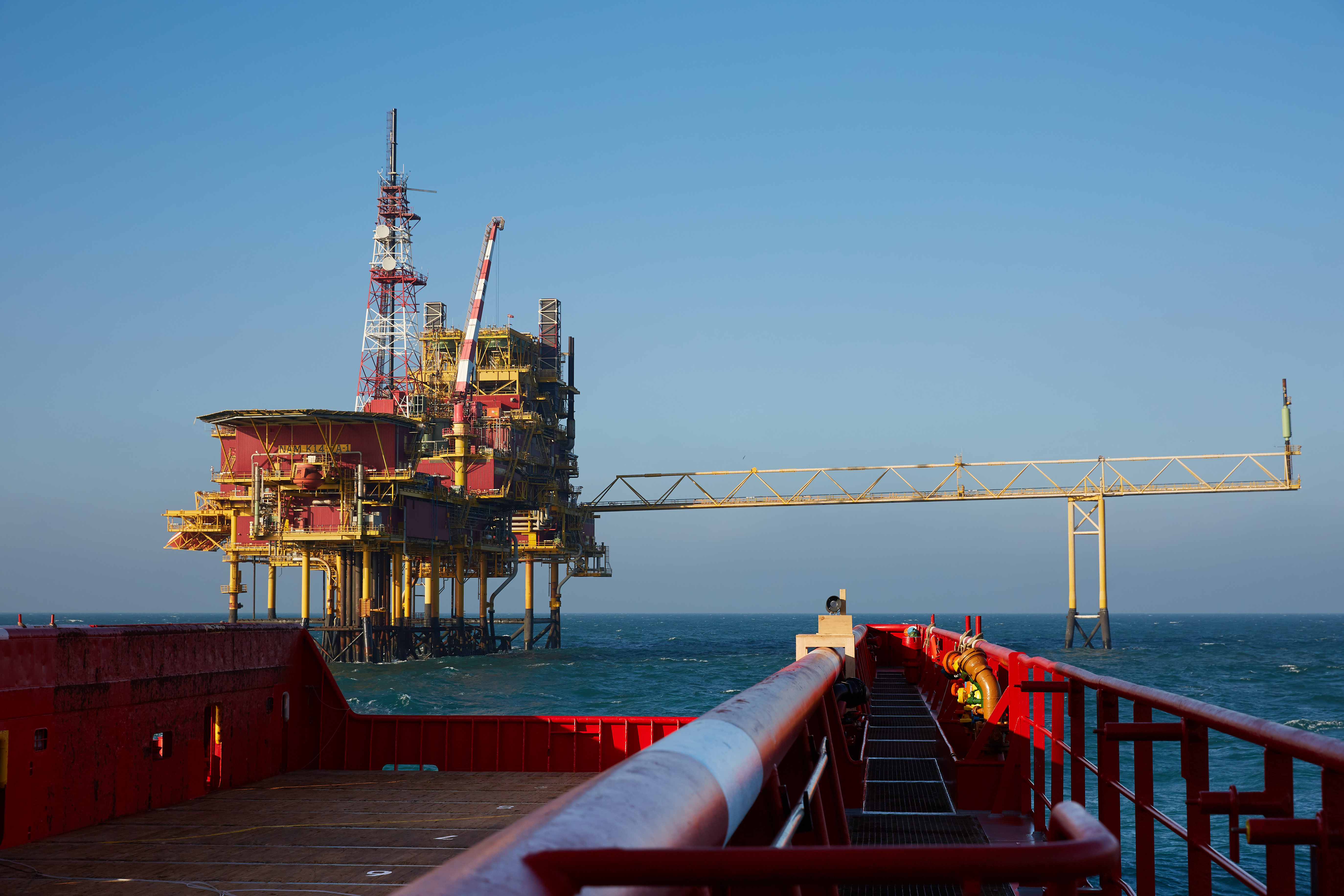
Natural gas production in the North Sea region has been declining for several years, and only a few new gas projects are being developed. This decline is expected to continue towards 2030 and beyond, with production falling to about half of today’s levels by 2050.
Future production levels will also depend on new energy and security policies. For example, the Netherlands recently agreed -in the Sector Agreement on Gas Extraction in the Netherlands- to continue using natural gas as a transition fuel until at least 2045 to reduce dependence on imports and maintain energy security.
By 2050, the Netherlands and Denmark are expected to stop producing natural gas completely. The UK is expected to produce only a small part (5%) of its current level, while Norway is likely to continue producing gas with only a limited decline (from 1300 TWh in 2023 to 900 TWh in 2050).
As oil and gas fields are phased out, electrifying offshore platforms could help reduce emissions from production. However, more research is needed to determine where this is technically and economically possible.
Green and blue hydrogen
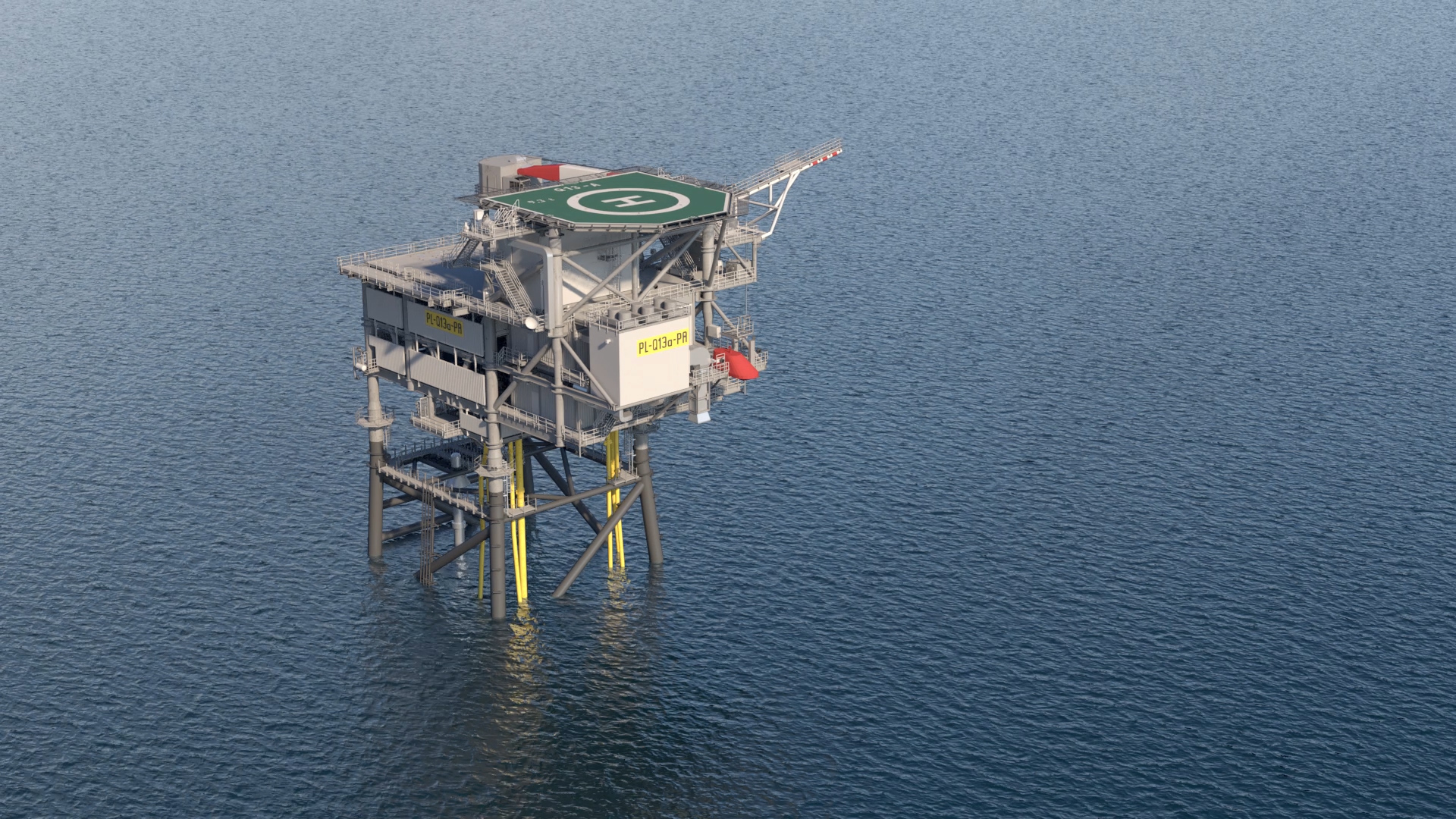
Blue hydrogen and offshore green hydrogen currently make up only a small part of the North Sea energy system.
Blue hydrogen is expected to grow in the coming years as projects move into the implementation phase. Because blue hydrogen depends on natural gas, it is expected to continue playing a role until at least 2050 and then gradually decline together with natural gas production.
Offshore green hydrogen is expected to develop more slowly, because the technology is still emerging commercially. Studies show that producing hydrogen offshore can help balance the energy system and reduce the costs of electricity infrastructure onshore and offshore.
Different studies estimate very different levels of offshore hydrogen production capacity, ranging from almost 0 to more than 100 GW. The recent Offshore Network Development Plan (ONDP) expects around 34 GW of offshore hydrogen capacity, equal to about 10% of offshore wind capacity. Other studies suggest that around 20% of offshore wind power could be converted directly into hydrogen offshore.
In this scenario, offshore hydrogen production could grow to around 225 TWh per year by 2050. Around 2045, blue and green hydrogen production could reach similar levels. Blue hydrogen is expected to level off at around 150 TWh per year, while green hydrogen continues to grow alongside offshore wind development.
CO2 storage
Currently, there are only two operational CCS sites in Europe, both in Norway. In the coming years, various early commercial projects are expected to start, after which a significant increase in capacity is expected in the coming decades.
In the near future, CCS will mostly be used for CO2 capturing from industrial production activities. However, in the long-term, CCS could have a role in achieving negative emissions when used with biomass.
The EU has the ambition to capture 50 Mt of CO2 by 2030, 280 Mt by 2040 and 450 Mt by 2050. Even though there is not a direct number stated for the North Sea, this region is expected to host the majority of the storage sites. The depletion and abandonment of gas fields in the coming years will allow for an increase in storage capacity. Next to this, storage in aquifers is likely to be deployed as well.
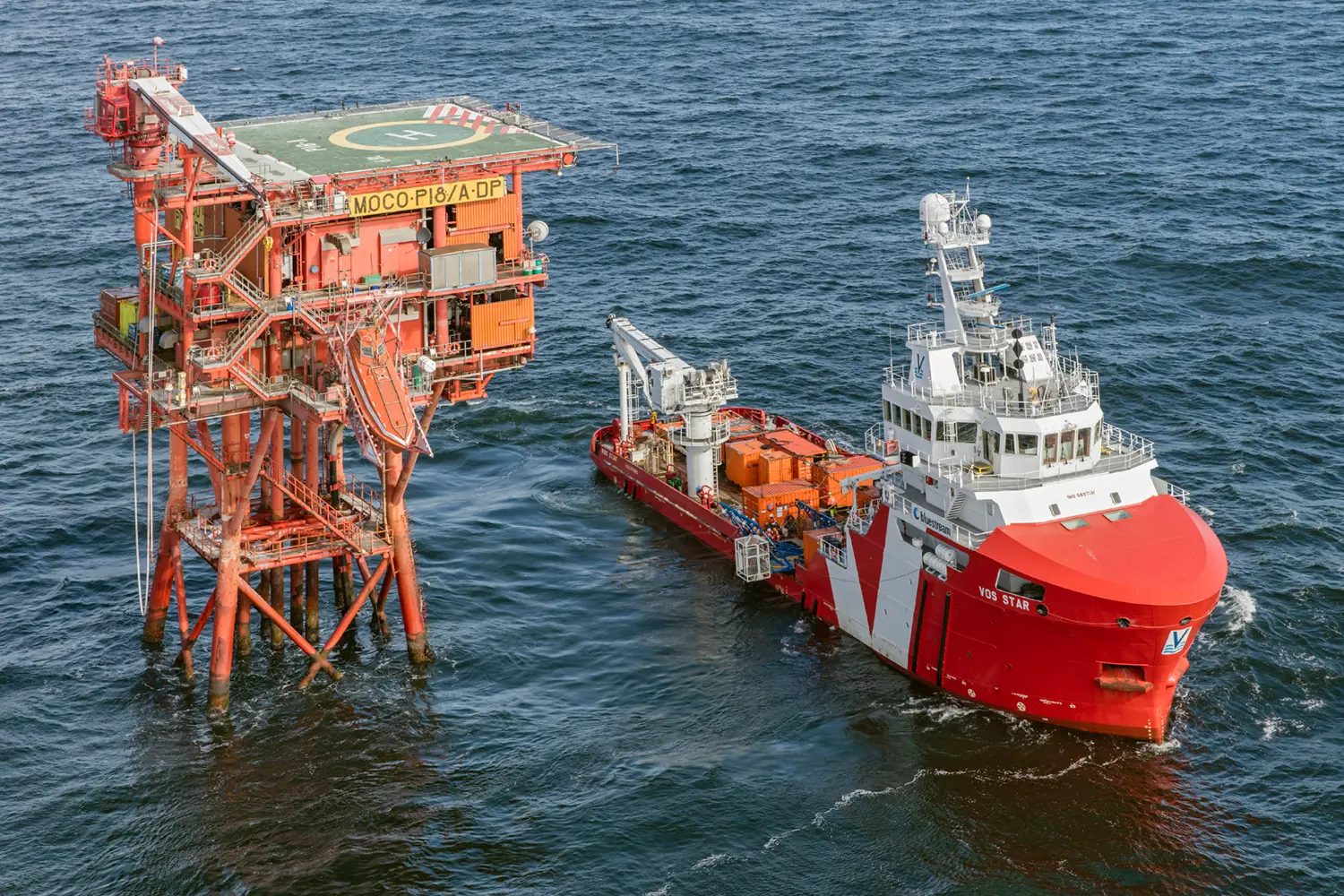
To unlock the full potential of a renewable and low-carbon North Sea energy system, NSE has developed an action agenda that addresses today's most important challenges. The agenda outlines the key steps needed to accelerate the development of an integrated offshore energy system. It provides practical recommendations for each energy function (commodity specific actions), as well as cross-cutting actions that strengthen the connection between different energy solutions (grid actions). Together, these actions help policymakers, industry, and other stakeholders make informed decisions and turn ambition into reality.
Electricity
Grid actions For the offshore electricity grid, several actions are required that focus on a European connected network with the following timeline:
2030: Focus on radial connections and the first offshore hybrid elements to achieve faster deployment speeds
2040: Development of the first interlinked offshore clusters, with further increases towards 2050
2050: Continued expansion of offshore wind capacity and other marine energy sources, with a focus on reinforcing existing transmission corridors.
To realize a future-proof, internationally connected electricity grid by 2050, significant efforts are required.
Technological: key innovations like HVDC circuit breakers and hybrid interconnectors must be developed and standardized to efficiently transport offshore wind energy, supported by large-scale pilot projects.
Financial: the offshore network will demand over €260 billion in investments by 2050, necessitating fair cost-sharing mechanisms under EU guidelines to prevent disproportionate burdens on high-capacity countries.
Regulatory: frameworks must evolve to support hybrid interconnections and energy hubs, addressing risk, cost, and operational responsibilities.
Value chain: A robust international supply chain strategy is essential to secure scarce materials, skilled labor, and logistical infrastructure, ensuring smooth and timely grid expansion.
Commodity actions To meet offshore wind targets, early and integrated marine spatial planning is essential, involving stakeholders and considering not just wind energy but also oil and gas, hydrogen, energy storage, and carbon capture.
The successful development of an integrated offshore energy system depends on aligning the growth of offshore wind with increasing onshore electricity demand and the expansion of flexibility solutions such as industrial electrification, energy storage, and energy conversion infrastructure. At the same time, timely deployment requires investment certainty and support mechanisms that help bridge rising costs and market uncertainties. Scaling up other offshore renewables such as floating solar, wave, and tidal energy can further strengthen the resilience and efficiency of the energy system, particularly when these innovations are developed alongside existing infrastructure. To unlock these opportunities, regulatory frameworks must also evolve, enabling multiple activities to coexist offshore and removing barriers to integrated development.
Hydrogen
Grid actions To advance offshore hydrogen infrastructure by 2050, a coordinated international strategy is needed to plan production, storage, and reuse of existing infrastructure, supported by initiatives like the NSEC’s green hydrogen group. Efforts include:
• Strategic alignment among governments and the creation of a centralized European body (e.g., ENNOH) are key to driving cross-border investments and harmonizing standards.
• Demonstration projects are essential to test integration and accelerate learning.
• Offshore hydrogen development also requires close collaboration between electricity and hydrogen TSOs, especially in countries lacking integrated operators.
• Maximizing cross-country coordination (e.g., between ENNOH, the UK, and Norway) is critical to identify valuable interconnectors and ensure cohesive grid development.
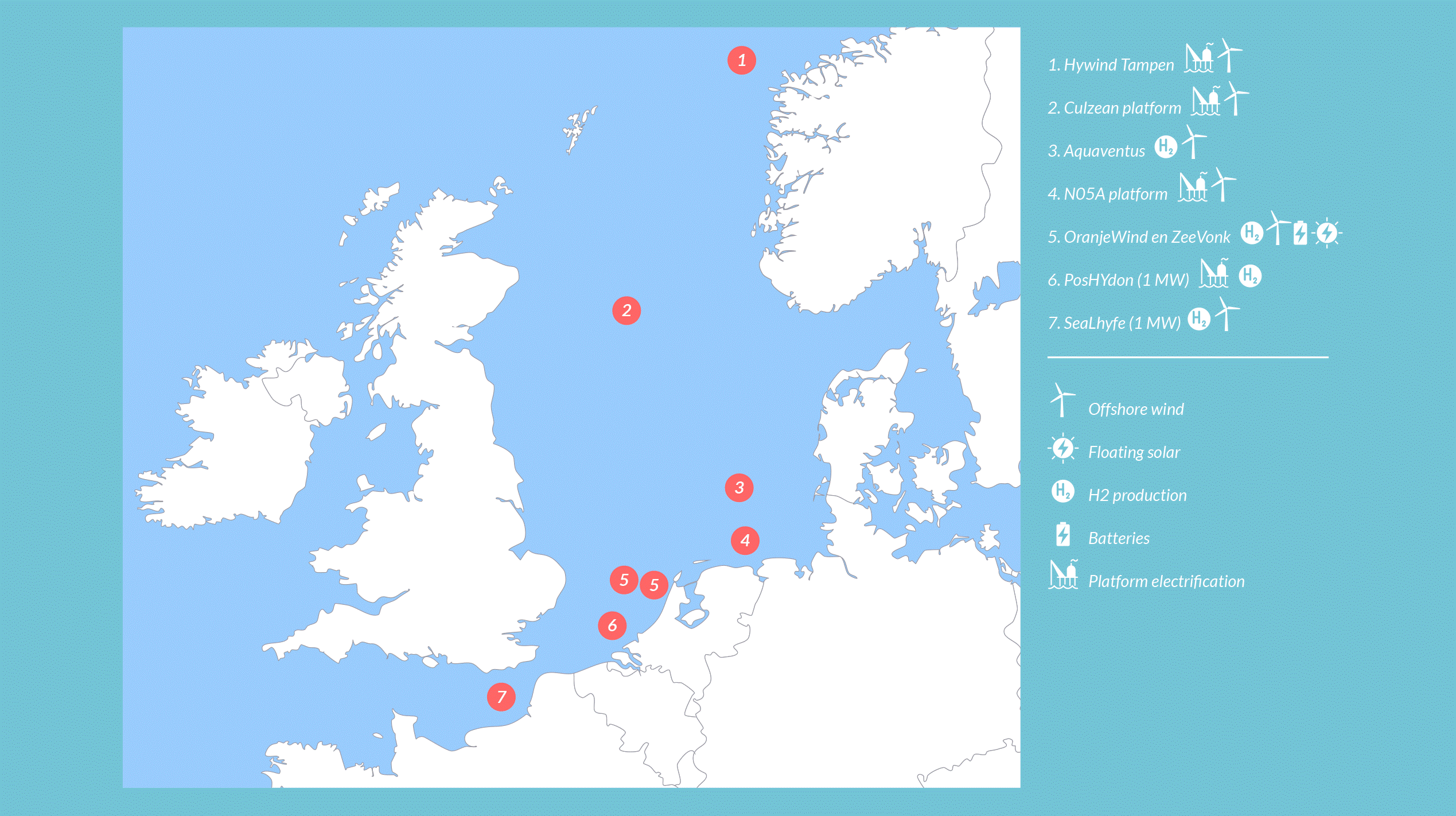
Commodity actions Offshore green hydrogen is in its early stages but progressing rapidly. The North Sea region is leading through pilot projects focused on electrolysis, transport, and storage.
To scale up, a full value chain roadmap is needed, supported by coordinated stakeholder efforts, harmonized regulations, and long-term planning. Ensuring sufficient demand and reducing investment risks are critical, potentially through mechanisms like contracts for difference or integrated tenders.
While green hydrogen is the long-term goal, blue hydrogen will play a transitional role through the 2030s, requiring clear timelines and investment signals.
A comprehensive roadmap for both green and blue hydrogen, especially for offshore development, is essential to guide infrastructure, market design, and policy support.
CO2
Grid actions To support the growth of carbon capture and storage (CCS) in the North Sea, strategic actions are needed to build an international CCS backbone using both new and existing infrastructure.
In the short term:
• planning must identify suitable storage sites, assess storage readiness, and coordinate with other offshore activities like wind and hydrogen to avoid spatial conflicts.
• Infrastructure reuse, CO₂ impurity research, and spatial modeling will enhance efficiency.
• A robust regulatory framework is essential for enabling cross-border transport and cooperation, especially between the UK and EU.
In the medium term:
• a pan-North Sea coordinating body should oversee system design, align international efforts, and promote knowledge sharing.
• Environmental considerations and funding mechanisms like the Innovation Fund and CEF will also be key to successful deployment (Connecting Europe Facility - European Commission).
Commodity actions The business case for CCS in the EU and UK is primarily supported by Emission Trading Schemes (ETS), which credit captured and stored CO₂ as not emitted. However, long-term liability and unclear policies, especially for cross-border projects, create investment uncertainty. Unlike traditional offshore energy ventures, CCS requires capital-intensive, long-term investments with modest returns and complex value chains, making it less attractive to investors.
To mobilize private capital, early-stage investment risks must be reduced, permitting processes streamlined, and long-term policy clarity provided. A pre-competitive appraisal of CO₂ storage sites is also essential to identify viable locations and ensure timely availability of storage capacity, preventing deployment delays and supporting a stable CCS rollout.
Natural Gas
Grid actions To prepare the natural gas grid for future energy needs, key short-term actions include:
• Identifying which pipelines can be reused for hydrogen and CO₂, ensuring proper certification, safety measures, and conducting lifetime assessments.
• Enhancing decommissioning efficiency and strengthening security monitoring—especially for older infrastructure—is also vital.
• Sharing international data on reuse and decommissioning timelines will support centralized planning.
In the medium term cross-country strategy should guide the reuse and decommissioning of platforms and pipelines, providing clarity for investors and asset owners. This includes planning for rerouting infrastructure, addressing supply chain constraints, and mapping decommissioning peaks to optimize resource allocation.
Commodity actions Electrifying active hydrocarbon platforms in the North Sea can significantly reduce emissions from natural gas production and transport, with several pilot projects already underway. Efforts include:
• A short-term international plan to assess the technical and economic feasibility of electrifying both new and existing platforms, particularly where offshore wind or marine energy is nearby.
• Given the uncertainty around the future of natural gas in the region, a stable, long-term strategy outlining national production, import, storage, and consumption is essential to guide investment and infrastructure planning, especially for CCS and hydrogen integration.
• To support a coexisting energy system, efforts should also focus on minimizing the spatial footprint of natural gas operations through innovations in exploration, installation, and monitoring.
The future transitions of the four offshore energy commodities and their technologies cannot be seen in isolation; they are highly entangled. By taking an integrated perspective, challenges can be tackled together, paving the way for sufficient market development, efficient infrastructure planning and reduced decarbonization costs. We recommend to appoint three integrated areas of attention that combine various commodities, together with an internationally interconnected transportation system.
#1: Develop an integrated energy vision for the North Sea
NSE recommends to develop an extensive infrastructure plan on how the four energy grids will be integrated in the future
The infrastructure forms the basis for further development and clarity is needed on the short term. This integrated vision should focus on various aspects:
-
Marine spatial planning needs to be included where nature-inclusive design is included from the beginning, with early stakeholder engagement.
-
To extend infrastructure from a national to an international aspect, cost-benefit-sharing agreements should be made, specifically on energy infrastructure interconnections.
-
The strategy should include a way to deal with physical and cyber security.
Together, this should result in long-term clarity on which infrastructure will be available when.
#2: Implement international standardization
NSE recommends to establish standardization working groups under The North Seas Energy Cooperation
Various international collaboration initiatives already exist, as is researched in depth in the D7.3 International North Sea Collaboration report.
For smooth cross-country grid development, it would be beneficial if standardization working groups are started within the NSEC as well. In the coming decades, energy trade between North Sea countries will increase, highlighting the importance of cross-country interoperability of the energy infrastructure.
#3: Tackle supply chain bottlenecks
NSE recommends to create a strategy on future supply chain bottlenecks
Since the coming decade will be very busy with decommissioning and new grid instalments, integration between the four commodities is key again.
All grids will require human capital, materials, O&M vessels, port capacity, etc. Next to this, critical and strategic raw materials might not always be available.
A strategy on supply chain management should be created that covers all energy commodities and investigates where their respective timelines overlap and potential challenges arise. This should include installation and decommissioning bottlenecks.
It is advised that a joint campaign strategy and tendering processes are developed, to clarify timelines and see where bottlenecks might arise.
In line with the NSEC advice, it would be beneficial if a digital transparency tool is developed to increase the data availability and strengthen the supply chain. This should not only focus on offshore wind tenders, but projects on all commodities.
Next to the integrated grid actions, we have identifies 8 thematic actions that are required for a smooth implementation of a systematic approach, transcending the four energy commodities. Even though the large number of actions required, it is crucial to implement them all on the short term, as the time to act is now.
#1 : Set clear international, spatial and integral goals
Although Europe has formulated ambitious targets on offshore wind and total hydrogen production, a clear pathway for the North Sea energy system has not been developed at this moment, obstructing a clear vision and way forward.
Lacking targets:
• despite its major foreseen role in combination with offshore wind, targets for offshore hydrogen production, transport and storage are not there yet
• policies and targets on CCS, together with blue hydrogen, have not been developed yet.
• even though the majority of the North Sea countries has pledged to decrease its natural gas production or indicate a long term perspective, no targets or outlooks on actual demand or import have been set.
NSE recommends the development of an integrated strategy to guide public and private strategies, and decrease the spatial impact of the transition.
NSE advises to be spatially explicit as possible, in order to align stakeholders’ perspectives and minimize negative impacts. Next to this, the targets and strategies should focus on infrastructure planning in an international context, to provide long-term pathways for the commodity developments. This should also ensure an energy independent and cost-competitive Europe.
#2: Coordinate regulatory frameworks and standardization
Integration can be hampered by inconsistent national regulations or the absence of standardization.
NSE recommends proper governance of the transition to smooth deployments and create investment certainties.
To align spatial planning and increase permitting processes, a proper governance structure is required for quick and adaptive decision-making across the North Sea Countries.
Several initiatives are already running, such as the OSPAR Commission, North Sea Basin Task Force, Greater North Sea Basin Initiative and North Seas Energy Cooperation.
It is recommend to implement a fully integrated (cross-sector and cross-border – including non- EU countries) approach to marine spatial planning; one with complete political buy-in from all member countries to enable effective and accelerated decision making, a formal governance structure, permanent funding streams, and legal backing.
For further information see D7.3 report.
#3: Extend collaboration, engagement, dissemination and communication
Besides adequate collaboration between countries, broader stakeholder engagement and collaboration are crucial for a successful roll out of the offshore energy system.
NSE recommends early engagement with stakeholders to allow faster decision-making and avoid potential delays.
Due to the multi-faceted approach and intertwinement of the various commodities and sectors, it is essential to engage with all stakeholders from the public, private and civil society that have a stake in and around the North Sea.
In D2.2 Stakeholder Engagement Strategy in Offshore Energy Projects report, the key stakeholder groups for offshore system integration have been identified, together with a general strategy on how to engage them.
For organizations that are directly involved in the development of the energy system, international collaboration and knowledge sharing should be improved. Due to the quick technological developments and complicated spatial planning, smooth knowledge sharing is of the utmost importance. This can be strengthened by the establishment of a dissemination platform.
For further information see D2.2 report
#4: Provide economic stimuli for sufficient market development of a renewable and low-carbon offshore energy system
Currently, the offshore system integration is hampered by the lack of long-term certainty in terms of offtakers, infrastructure development and uncertain business cases. For example, the development of offshore wind needs to run in parallel with electricity demand, the green hydrogen market needs to be derisked for investors (on demand, supply and infrastructure side) and CCS needs support until the price of emission allowances can close the business case gap.
NSE recommends that various support mechanisms be put in place in the coming decade that serve a level playing field across the North Sea basin.
Comparing the public value with the business case assessment, it was seen that current market structures do not always incentivize project developers in pursuing societal optimal decisions indicating market failure.
The D3.4 report provides recommendations on how projects can be incentivized to towards system optimal investment and operation.
For further information also see D3.3 report.
#5: Minimize negative impacts and seek positive impacts on the ecosystem
The North Sea is an ecologically sensitive area, with various protected species and important marine ecosystems. It is important to minimize the impact of disruptive activities and actively pursue positive impacts on the environment, while developing our future energy system.
NSE recommends to include ecological principles into the design of this energy system, so-called nature-inclusive design, instead of only considering it as a separate aspect.
A robust research and monitoring program must be established to study the environmental and ecological impacts of new offshore energy systems. The Dutch Assessment Framework for nature protecting and nature-enhancing measures at the North Sea can act as a starting point here34.
Furthermore, better funding and financing options must be extended to projects with lower ecological impacts or positive environmental externalities. Further recommendations can be read in D4.1 report on nature inclusive design.
#6: Create a clear human capital agenda & strategy on supply chain bottlenecks
One of the central pillars of making this energy transition succeed is the availability of a skilled and motivated workforce. The growth of the offshore renewable energy sector will create many new jobs, while the declining fossil fuel production poses a difficult situation for the experienced oil and gas workers.
NSE recommends to anticipate on the transition of workers to a decarbonized energy sector while seeking innovative solutions to reduce the pressure on the required workforce.
There is a need for proper training to work on hydrogen, CCS and electricity, and by integrating ecological principles.
Also, the offshore renewable energy sector should become more attractive to the workforce of the future. While currently being perceived as ‘far away’, it is often not on people’s top of mind when searching for job opportunities. More effort needs to be made to communicate the excellent long-term job opportunities in the offshore energy sector.
Automation and digitization can lessen the pressure on the required workforce. Labor reducing technologies such as autonomous vehicles, unmanned monitoring systems, logistic optimization models and predictive maintenance with AI can effectively decrease the pressure on the required workforce. It is strongly advised that the implementation of these technologies is progressed. Further recommendations can be read in the D2.3 Human Capital report.
The upscaling of the renewable energy system goes hand in hand with the sufficient availability of materials. It is important that adequate resources become available in Europe, that recycling technologies are developed further and that the key bottlenecks on the supply chain are identified in time. Further recommendations can be read in D4.5 Material Flow Analysis report.
#7: Technological innovation: focus on knowledge dissemination in pilot and demonstration projects
Offshore energy technologies covered in the research are in different phases of maturity. Part of the discussed energy technologies are still in an early stage of (scale-up) development. Onshore electrolyzer innovation processes currently focus on the scale-up from the 100s of MW to GW scale. Many scale-up pilot and demonstration projects for offshore hydrogen have already been announced, focusing on both the implementation on new and existing platforms, as well as the integration with wind turbines.
NSE recommends an integrated approach to share best practices and innovation learnings for various offshore system integration concepts.
-
Learnings must be translated to the offshore electrolyzer development, which requires more piloting due to its different environment and role in the energy system.
-
More research is required that focuses on technologies that favor the multi-use of space, such as batteries within wind farms, platforms that combine oil & gas activities with CCS, etc.
-
A great learning potential can be achieved by combining the knowledge of all European demonstration projects, paving the way towards standardization and de-risking the technologies.
-
A North Sea offshore demonstration Flagship program could align national and regional innovation programs, setting clear goals for technology improvement, scale-up, and deployment. The NSEC framework or European Technology & Innovation Platforms could serve as starting points for this program.
#8: Strengthen energy security & protect energy infrastructure
Since the war in Ukraine, security threats of critical offshore energy infrastructure became realistic, resulting in energy security and safety becoming a major theme in Europe.
NSE recommends to properly assess security and resilience of the future offshore energy system, together with the development of multi-use sensor networks for monitoring environmental, operational and security conditions in the North Sea.
This also relates to building a robust cybersecure network of both the assets as well as the international interconnections.
Besides monitoring and cybersecurity, it is important that the system itself is resilient. This relates to the diversification of the energy sources, the interconnectivity levels between countries and sources, and the amount of storage and storage locations for the various energy carriers. For this, adequate onshore and offshore system planning is required.
Editorial remark: In the 2026-2028 phase of the NSE program, this topic will be more intensively addressed.
Stay up to date on the latest news
New research, insights and developments around the North Sea energy transition are constantly emerging. Get the most relevant updates from North Sea Energy delivered to your inbox.
Sign up for updates